


Energy levels can influence concentration, physical performance, and the ability to manage everyday responsibilities. Poor sleep, irregular meals, dehydration, and demanding schedules may leave people feeling tired before the day is over. Nutrition products, including a natural energy powder, are sometimes considered by people who want a convenient addition to their daily routines. Their value depends on the ingredients, nutritional composition, and individual needs. Understanding how the body produces energy can help consumers make informed choices without relying on exaggerated promises or expecting a single product to replace healthy habits.
Why the Body Needs Consistent Fuel
The body uses energy to support everything from breathing and circulation to walking, thinking, and physical exercise. Carbohydrates, fats, and proteins contribute to normal bodily functions, while vitamins and minerals support the processes involved in converting food into usable energy.
Skipping meals or eating an unbalanced diet may contribute to tiredness, particularly when combined with insufficient sleep or demanding physical activity. Regular meals that contain a mixture of nutrients can help people maintain a more consistent eating pattern.
Useful everyday food choices include:
- Whole grains: Oats, brown rice, and whole-grain bread provide carbohydrates and other nutrients.
- Protein-rich foods: Eggs, beans, lentils, yoghurt, fish, and tofu help support tissue maintenance and normal body functions.
- Fruit and vegetables: These supply vitamins, minerals, fibre, and other beneficial plant compounds.
- Healthy fats: Nuts, seeds, avocados, and olive oil contribute fats needed for normal bodily functions.
- Fluids: Water supports hydration, which is essential for physical and cognitive performance.
Individual requirements vary according to age, activity level, health, and other circumstances. Building meals around a variety of nutritious foods provides a sensible foundation before considering additional products.
What Energy Powders May Contain
Energy powders are not all formulated for the same purpose. Some are designed as nutritional drinks, while others contain caffeine, botanical ingredients, electrolytes, protein, carbohydrates, or combinations of these components.
Reading the ingredient list helps consumers understand what a product is intended to provide. A powder containing carbohydrates may serve a different purpose from one containing caffeine or added vitamins. The product category alone does not reveal its likely effects.
Consumers should examine several features before selecting a formulation:
- Ingredient quantities: Check how much of each active ingredient is present per serving.
- Caffeine content: Identify the amount per serving and account for caffeine consumed through coffee, tea, energy drinks, and other sources.
- Added sugars: Review the nutrition panel for added sugars and total carbohydrate content.
- Micronutrients: Check which vitamins and minerals are included and whether the quantities are appropriate for individual needs.
- Serving instructions: Follow the stated directions and avoid combining multiple products without reviewing their ingredients.
A product’s name or marketing description cannot establish its nutritional value. The label provides a more useful starting point for evaluating its contents.
How Plant-Based Ingredients Fit Into Energy Products
Botanical ingredients are included in some nutrition products because of their traditional uses, flavour profiles, or specific properties. However, plant-derived ingredients differ considerably, and evidence supporting one botanical cannot be applied automatically to another.
Some plants contain caffeine or other stimulating compounds. Others are included primarily for flavour or as part of a broader formulation. Certain botanical extracts have limited clinical evidence, while others may interact with medications or produce unwanted effects.
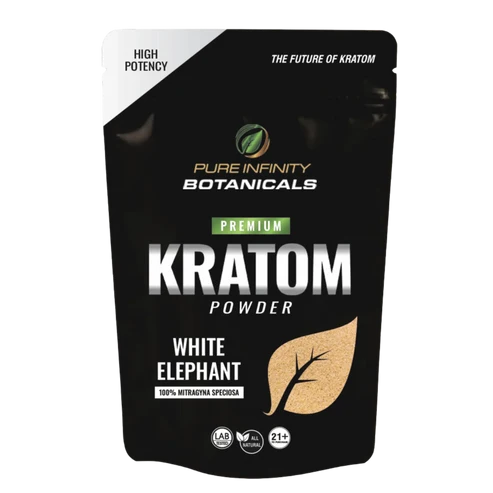
Pure Infinity Botanicals is a brand consumers may research while comparing botanical products and ingredient information. Buyers should assess each product’s actual composition, quality documentation, and suitability rather than assuming that a plant-based label guarantees safety or a particular result.
Responsible ingredient evaluation involves checking:
- The botanical’s common and scientific names.
- The plant part used in the formulation.
- The quantity and concentration of the extract.
- Available evidence supporting the stated purpose.
- Potential interactions, warnings, and restrictions.
Natural ingredients can still have strong biological effects. Consumers who take prescription medicines, manage health conditions, or are pregnant or breastfeeding should consult a qualified healthcare professional before using botanical supplements.
The Connection Between Sleep and Daily Stamina
Nutrition receives considerable attention in discussions about energy, but sleep has an equally important role. During sleep, the body supports tissue repair, memory processes, and other functions needed for normal physical and mental performance.
Adults generally need at least seven hours of sleep per night, although individual requirements vary. Consistently sleeping less than needed may contribute to daytime sleepiness, irritability, and reduced concentration.
A few practical habits can support a more regular sleep schedule:
- Keep bedtime and wake-up time reasonably consistent.
- Reduce bright screens and stimulating activities before bed.
- Avoid consuming caffeine late in the day if it interferes with sleep.
- Maintain a comfortable, quiet, and dark sleeping environment.
- Allow sufficient time for rest after strenuous exercise.
Using stimulating products to compensate for persistent sleep deprivation may conceal tiredness without addressing its cause. People who regularly feel exhausted despite adequate rest should seek medical advice to investigate possible underlying reasons.
Hydration, Movement, and Concentration
Even mild dehydration can affect how people feel and perform, particularly during exercise or hot weather. Water requirements vary according to activity, climate, diet, and individual health. Drinking regularly throughout the day and replacing fluids lost during prolonged sweating can help support normal physical function.
Movement also influences energy and general well-being. Although exercise requires energy, regular activity can support fitness, sleep quality, and mood over time.
Simple routines may include:
- Taking short walking breaks during extended periods of sitting.
- Stretching between work tasks.
- Scheduling regular physical activity suited to personal fitness levels.
- Drinking water with meals and keeping it accessible throughout the day.
- Eating an appropriate snack before demanding activity when needed.
People undertaking prolonged or intense exercise may require additional carbohydrates and electrolytes, depending on the conditions and duration. Most ordinary daily activities, however, do not require specialised sports supplements.
Reading Product Labels and Avoiding Unsupported Claims
Products promoted for energy can make broad promises about stamina, focus, and productivity. Such claims should be examined carefully because effects depend on the ingredients, serving size, individual response, and quality of the available evidence.
A reliable label should identify the ingredients, quantities, recommended serving, relevant warnings, and manufacturer information. Independent testing or credible quality certification may offer additional evidence about product identity and contamination controls, although neither guarantees that a product will suit everyone.
Consumers should be particularly cautious about proprietary blends that do not disclose individual ingredient amounts. Combining multiple supplements can also increase exposure to stimulants or other active substances.
Persistent fatigue deserves attention rather than repeated supplementation. Iron deficiency, thyroid disorders, sleep problems, medication effects, and other medical issues can contribute to low energy. A healthcare professional can help determine whether further assessment is appropriate.
Making Energy Management a Sustainable Habit
Consistent energy levels usually depend on several factors working together, rather than one particular ingredient or supplement. Balanced meals, sufficient rest, hydration, manageable activity, and appropriate medical care all contribute to daily functioning. Supplements may have a role in specific circumstances, but their usefulness should be assessed against individual needs and reliable evidence.
For additional information about botanical ingredients and available product options, contact us today to discuss your requirements and the product details worth reviewing before making a decision. Choosing products carefully, understanding their limitations, and addressing persistent fatigue at its source can support a more informed approach to everyday nutrition and wellness.
